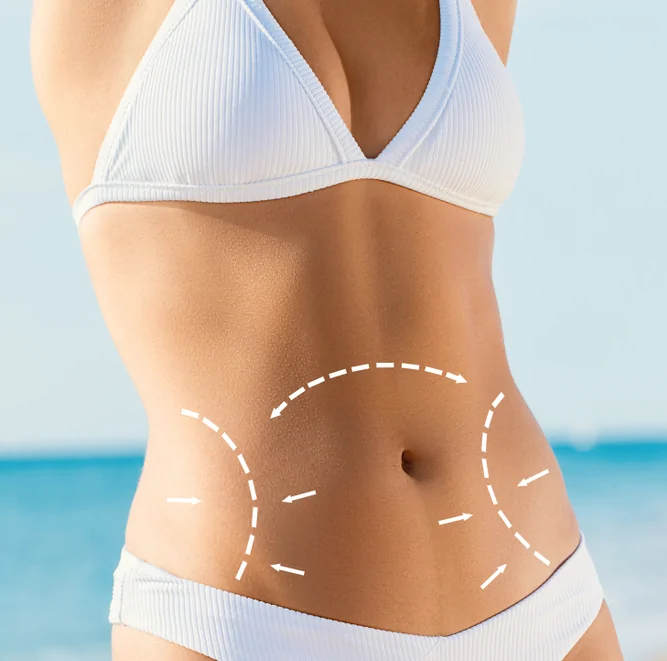
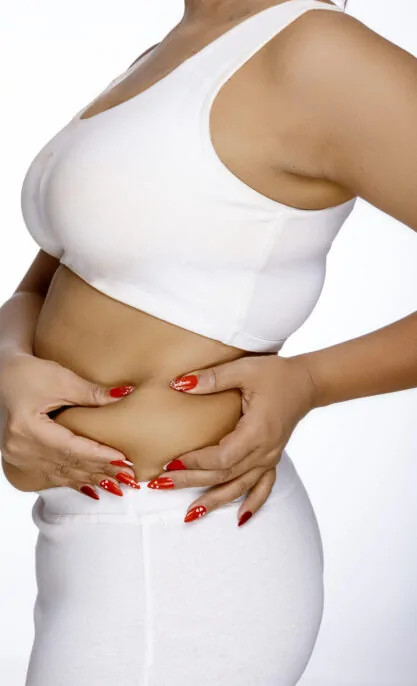
Abdominoplasty, commonly known as a Tummy Tuck, is a surgical procedure that focuses on body contouring rather than weight loss. It involves the removal of excess skin and, to some extent, fat from the abdominal area while also repairing separated or weakened muscles. The goal of this procedure is to create a smoother, flatter, and firmer abdomen, enhancing your overall appearance.
Tummy Tuck — explained on video
Procedure explainers, surgeon Q&A, and patient stories — straight from Dr. Amit Agarwal.
YouTube video placeholder
Procedure explainer — how it works
YouTube video placeholder
Recovery and aftercare — what to expect
This video is for educational purposes only. Treatments are individualised
according to each patient's condition and needs. Similar results cannot be
guaranteed for every individual.
Abdominoplasty Overview
Abdominoplasty, commonly known as a Tummy Tuck, is a surgical procedure that focuses on body contouring rather than weight loss. It involves the removal of excess skin and, to some extent, fat from the abdominal area while also repairing separated or weakened muscles. The goal of this procedure is to create a smoother, flatter, and firmer abdomen, enhancing your overall appearance.
Why Abdominoplasty is Beneficial
Abdominoplasty is particularly beneficial for individuals who:
It's important to note that Abdominoplasty cannot address issues related to excessive weight; it's primarily focused on the removal of loose or saggy skin.
Have lost a significant amount of weight and have loose, sagging skin.
Have thin frames but still experience saggy skin in the lower abdominal region.
Struggle to achieve a flat abdomen through exercise and diet alone.
Experience sagging skin due to factors such as significant weight fluctuations, pregnancy, previous surgeries like liposuction , or the natural aging process.
Combining Tummy Tuck with Liposuction
In many cases, Abdominoplasty is combined with liposuction, especially when localized fat deposits are present in the upper abdomen and flank regions. This combination allows for comprehensive body contouring.
Consultation with Your Doctor
During your consultation for Abdominoplasty, you should:
Discuss your surgical goals and expectations.
Provide information about any past surgeries and medical conditions.
Disclose any drug allergies.
Share details about your current medications, including herbal supplements and drug use.
Be honest about tobacco and alcohol consumption.
During Your Consultation with Dr. Amit Agarwal
Dr. Amit Agarwal will typically:
Measure your BMI and assess fat deposits around your abdomen.
Evaluate the condition of your sagging skin, abdominal muscles, and any hernias.
Examine how much fat is located outside the muscles (which can be targeted by liposuction) and how much is intra-abdominal (inside with internal organs, which cannot be targeted by liposuction).
Assess your overall health and risk factors.
Discuss alternative options if necessary.
Take photographs.
Explain the procedure and expected outcomes.
Address any risks or complications.
Emphasize the importance of maintaining a healthy lifestyle post-surgery.
Questions to Ask Your Surgeon
During your consultation, consider asking your surgeon questions such as:
Am I a suitable candidate for the procedure?
How long will I need to stay at the medical center?
What is the procedure and how is it performed?
Will there be visible scarring post-surgery?
What is the expected recovery period?
When can I return to work and my daily routines?
What lifestyle changes are expected for better results?
When can I begin exercising again after the surgery?
Preparing for Abdominoplasty
Before undergoing Abdominoplasty:
Ensure you are in good physical health.
Quit smoking if you are a smoker at least two weeks before the surgery.
Complete all prescribed tests.
Avoid taking anti-inflammatory drugs and herbal supplements, as they can increase bleeding.
Share the results of your pre-surgical investigations with the surgeon and anesthetist, who will evaluate your fitness for the surgery.
Measurements for compression garments for post-surgical use will be taken.
Admission will typically be on the same day at the medical center.
You will sign a written consent form explaining the procedure after admission.
Meet with the anesthetist for a Pre-Anesthetic check-up before the surgery.
Fast for a minimum of 5-6 hours before the planned procedure.
The Abdominoplasty/Tummy Tuck Procedure - 5 Steps
Anesthesia: General anesthesia is typically preferred for this procedure.
Tumescent Anesthesia: Tumescent anesthesia solution is infused into the fat tissues under the skin in the planned surgical area to reduce bleeding, pain, and tissue trauma.
Muscle Tightening and Skin Trimming: Abdominal muscles are tightened, and excess skin is stretched and trimmed.
Closure: A new opening for the belly button is created if necessary, and it is sutured into position. The incision is then closed with absorbable sutures, and skin adhesives are applied over a drain.
Post-Surgery and Recovery
Dressings are applied to the surgical area.
You will wear a compression garment to reduce swelling and support your abdomen.
Walking is encouraged on the same or next day after the surgery.
Typically, you will be discharged on the second day after surgery, once drains are removed.
Drains are placed under the skin to remove excess blood or fluid and may be removed during a follow-up visit.
Dissolvable sutures are used for most incisions, so they do not require removal.
Expect substantial swelling and bruising that will subside in 3 to 4 weeks.
Post-surgery pain can be managed with prescribed painkillers.
Soreness may persist for a few weeks.
You can start walking 6 hours to one-day post-surgery.
Exercise can typically resume after three weeks, as advised by your surgeon.
Consistent wear of the pressure garment for 4 to 6 months is essential.
You can return to work within 3 to 6 days depending on the nature of your job.
Normal lifestyle activities can be resumed after two weeks.
Image placeholder
Tummy Tuck — patient outcome
Post-Surgery Instructions by Dr. Amit Agarwal
Specific instructions may be provided regarding:
How to care for the surgical site.
Medication and general health maintenance.
Follow-up appointments.
Possible Risks and Complications
Risks and complications of Abdominoplasty vary among individuals and depend on their physical condition. Factors that may influence complications include poor circulation, a history of blood clots, diabetes, heart, lung, or liver infections. Some possible complications and risks include:
The possibility of revision surgery may arise if the results do not meet your desired expectations.
Rare complications related to general anesthesia.
Seroma formation (fluid accumulation), which usually resolves within a week.
Infection (rare), which may require prolonged antibiotic therapy.
Bleeding and hematoma formation may necessitate drainage.
Poor wound healing, typically seen in smokers, individuals with a high BMI, diabetes, hypothyroidism, or multiple diseases.
Numbness or altered skin sensation, which can last for 3-6 months.
Scar formation in the lower abdomen area, usually hidden under clothing may become hypertrophied in some individuals.
Skin loss or sutural dehiscence, which may require resuturing (very rare).
Persistent pain subsides with time and medication.
Prolonged swelling and skin discoloration, diminish over time.
Rare events like deep vein thrombosis, and pulmonary or cardiac complications, especially in individuals with pre-existing diseases.
When to Expect Results
The full benefits of Abdominoplasty become more apparent as swelling subsides. To maintain your results, it's crucial to maintain a healthy lifestyle. Failure to do so might lead to new fat deposits in other areas, potentially requiring additional surgery.
Do's and Don'ts of Abdominoplasty
Ready for Your Transformation? Contact Dr. Amit Agarwal Today for Expert Body Plastic Surgery and Reveal Your Best Self!
Do discuss any previous surgeries or medical conditions openly with your surgeon.
Do wear a compression garment as instructed to reduce swelling and achieve the desired shape.
Do consult your doctor immediately if you experience any complications.
Do maintain a healthy lifestyle for the best and most prolonged results.
Don't undergo surgery if you have a major chronic illness without discussing it with your doctor.
See the difference
Before & After — Tummy Tuck
Drag the handle to compare. All photos are real patients shared with consent.
Before
After
Before
After
Before
After
Images shown are intended to provide general treatment insight only. Every
patient is unique, and outcomes may vary depending on individual condition
and treatment plan.
Common questions
Frequently asked questions
Am I a Suitable Candidate for Abdominoplasty (Tummy Tuck)?
To be a good candidate for Abdominoplasty, you should:
How long will I need to stay at the medical center?
You can typically be discharged on the second day after surgery, following the removal of drains and with the doctor's consent.
If I already have a C-section scar, will I have another scar after Abdominoplasty?
The new scar may merge with an existing C-section scar, so you won't necessarily have two separate scars.
Is Abdominoplasty suitable for individuals with a higher BMI?
The new scar may merge with an existing C-section scar, so you won't necessarily have two separate scars.
Do I need to quit smoking before surgery?
Quitting smoking is advisable due to health risks, but it's essential to stop smoking at least two weeks before surgery.
Can Abdominoplasty be performed under local anesthesia?
No, it's a time-consuming procedure involving muscle tightening and is typically done under general anesthesia.
When can I return to work?
You can usually resume work within a week, but you must wear a pressure garment for 4-6 months and follow your surgeon's instructions for the best results.
Real stories
Patients who trusted us with their tummy tuck
★★★★★
"Dr. Agarwal made me feel confident at every step. The team called to check on me even after I went home — that meant a lot."
★★★★★
"Researched a dozen clinics before picking Kayakriti. The honesty about expectations is what won me over. The result speaks for itself."
★★★★★
"I went in nervous and came out grateful. Painless, professional, and the recovery was much smoother than I expected."
★★★★★
"The pre-op consult covered everything — risks, recovery, alternatives. No pressure to upgrade or decide on the spot. That kind of honesty is rare."
★★★★★
"Travelled from Delhi for the procedure. The clinic team coordinated my stay, follow-ups via video call, and I never felt forgotten after surgery."
★★★★★
"Six months on and the results still look natural. Friends notice I look refreshed but can't put their finger on why — that was the whole point."
★★★★★
"They explained the procedure in plain Hindi for my mother and in English for me. Felt heard at every appointment, not rushed."
Names changed where requested. All stories shared with patient consent.