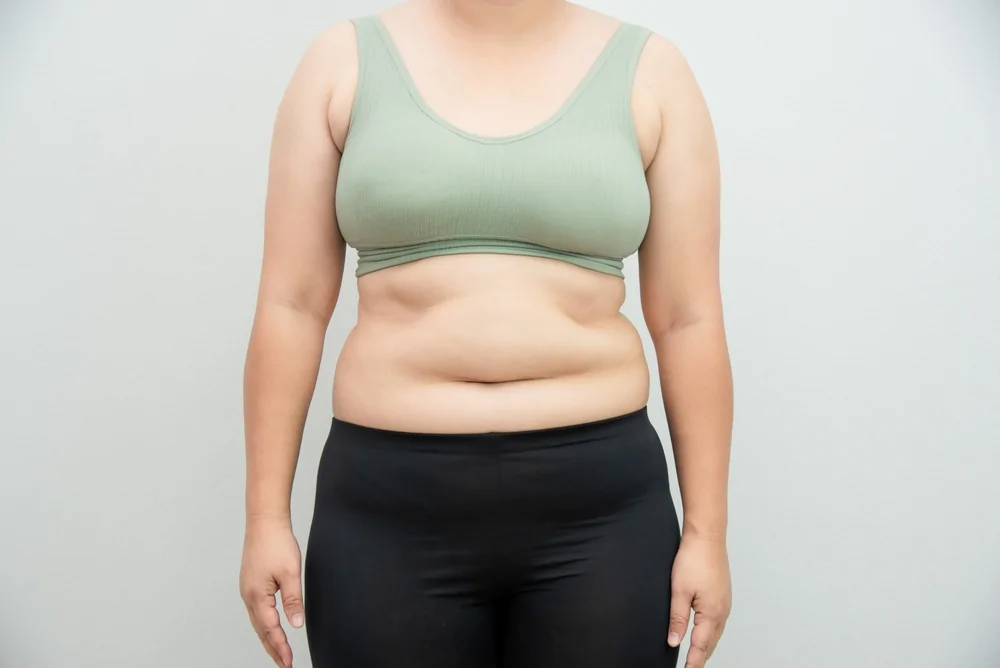
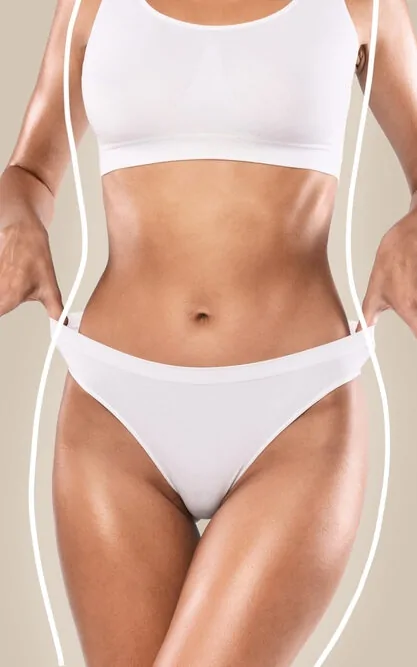
Morbid obesity correction is a critical step toward improving overall health and well-being. This article aims to provide information on the surgical and lifestyle changes involved in the process. It is essential to consult with healthcare professionals, including a bariatric surgeon, to determine the most suitable approach based on individual needs.
About Kayakriti and Your Surgeon
A short walk-through of our Lucknow clinic, plus a brief introduction from Dr. Amit Agarwal.
Morbid obesity correction is a critical step toward improving overall health and well-being. This article aims to provide information on the surgical and lifestyle changes involved in the process. It is essential to consult with healthcare professionals, including a bariatric surgeon, to determine the most suitable approach based on individual needs.
Why Morbid Obesity Correction?
Morbid obesity is a serious health condition that can lead to various life-threatening diseases, including type 2 diabetes, heart disease, stroke, and some types of cancer . It also has profound psychological and social impacts, often leading to depression. Weight loss interventions are sought after by individuals looking to combat obesity due to its detrimental effects on both physical and emotional health.
The excess fat stored in the body creates unsightly bulges that are not only aesthetically displeasing but also resistant to traditional weight loss methods. Even with dedicated efforts through diet and exercise, these fat deposits often persist. When you gain weight, fat cells increase in size and volume, making it challenging to achieve a healthy weight.
Why Bariatric Surgery and Not Liposuction?
For individuals with generalized obesity, especially those with a BMI (Body Mass Index) exceeding 40 or over 35 with significant comorbidities such as diabetes, high blood pressure, or heart diseases, liposuction of multiple areas for weight loss is not the recommended approach. Liposuction primarily falls within the realm of body contouring surgery and is best suited for individuals with localized fat deposits and a lower BMI.
In cases where individuals with high BMI wish to pursue liposuction, it should be done conservatively and in stages, with no more than 10% of their body fat removed in a single stage to reduce the risk of complications. These individuals are advised to adopt a healthier lifestyle, incorporating regular exercise and strict diet control to achieve weight loss before considering liposuction for resistant fatty areas.
For individuals with a higher BMI, bariatric surgery is the preferred and more effective option. Bariatric surgery addresses not only weight loss but also the underlying health conditions associated with obesity. It can significantly improve or resolve conditions like diabetes, high blood pressure, sleep apnea, and high cholesterol.
The Role of Dr. Amit Agarwal in Bariatric Surgery
Dr. Amit Agarwal is committed to your well-being and will guide you on whether bariatric surgery is suitable for your specific situation. He can also help you connect with experienced bariatric surgeons who specialize in these procedures.
After Bariatric Surgery
After bariatric surgery, significant weight loss often results in loose and excess skin in various areas of the body. Plastic surgery procedures like lower body lifts, upper body lifts, and medial thigh lifts are commonly performed to address these concerns. Dr. Amit Agarwal specializes in these post-bariatric cosmetic procedures to help you achieve a more contoured and aesthetically pleasing appearance.
Are You an Ideal Candidate for Bariatric Surgery?
You may be an ideal candidate for bariatric surgery if you meet the following criteria:
BMI of 40 or greater or BMI over 35 with significant diseases like Diabetes, High Blood Pressure, Heart diseases, etc.
A desire to improve body shape and prevent future health problems.
Willingness to engage in discussions and follow recommended lifestyle changes.
Realistic expectations about the surgery’s outcomes.
Consultation for Morbid Obesity Correction
During a consultation for morbid obesity correction, discussions should include:
Body reshaping goals.
Past or present medical conditions or surgeries.
Drug allergies and medical treatments.
Ongoing supplement use.
Alcohol and tobacco intake.
Information about future diet restrictions after surgery.
Dr. Amit Agarwal's Focus During the Consultation
Dr. Amit Agarwal will:
Measure your BMI and assess areas of fat deposits throughout your body.
Evaluate the condition of your skin and muscle tone, as well as the presence of any hernias.
Examine the distribution of fat, distinguishing between subcutaneous and intraabdominal fat.
Assess your overall health and risk factors.
Discuss the surgical options suitable for your condition.
Take photographs for reference.
Explain potential risks and complications related to the surgery.
Emphasize the importance of maintaining a healthy lifestyle post-surgery.
Questions to Ask Dr. Amit Agarwal About Morbid Obesity Correction
Consider asking these questions during your consultation:
Am I a suitable candidate for bariatric surgery?
Who will perform the bariatric surgery?
What are the risks and complications associated with the surgery?
How long will my recovery period be?
How long will I need to stay in the hospital?
What diet restrictions will I need to follow?
Preparations for Bariatric Surgery
Before bariatric surgery, you’ll need to:
Agree to specific lifestyle changes recommended by your bariatric surgeon.
Stop smoking if you are a smoker at least two weeks before surgery.
Complete the required pre-surgical tests prescribed by your bariatric surgeon.
Follow a strict diet plan as advised before surgery.
Avoid anti-inflammatory drugs and herbal supplements to reduce bleeding risks.
Undergo a thorough evaluation by the operating surgeon and anesthetist to determine your fitness for surgery.
The Bariatric Surgery Procedure
Bariatric surgery involves altering the stomach’s size or bypassing a portion of the intestine to reduce food intake and improve metabolism. These procedures are minimally invasive, resulting in less pain, fewer complications, shorter hospital stays, and faster recovery.
The three primary types of bariatric surgery are gastric sleeve, gastric band, and gastric bypass. Each technique aims to restrict food intake and promote weight loss.
Recovery After Bariatric Surgery
Recovery includes:
Gradual progression from clear liquids to solid food over several weeks.
Regular intake of vitamin and mineral supplements as recommended by your surgeon.
Incorporating exercise into your routine, typically after 4 to 6 weeks post-surgery.
Follow-up appointments with your bariatric surgeon to monitor your progress and address any concerns.
Risks and Complications Post-Surgery
Potential risks and complications after bariatric surgery may include:
Bleeding from the surgical site.
Deep vein thrombosis (blood clots).
Irregular heartbeat (atrial fibrillation).
Lung infections due to shallow breathing.
Leaks from suture lines.
Stomach obstruction.
Vitamin deficiencies.
These risks should be thoroughly discussed with your bariatric surgeon before the procedure.
Weight Loss Injections (GLP-1 / GIP-Based Treatments)
Advanced weight management injections such as GLP-1 and dual-action GLP-1/GIP therapies are increasingly used as medically supervised non-surgical weight loss options in selected patients.
These treatments help support appetite control, improve satiety, and assist gradual weight reduction when combined with proper lifestyle guidance.
Benefits
Helps reduce appetite and cravings
Supports gradual and sustained weight loss
Improved portion control and satiety
Non-surgical weight management option
Better body measurements and fitness support
Can help selected patients begin their weight loss journey
Procedure
Treatment is started only after proper medical assessment and suitability evaluation. Protocols may include:
Regular monitoring
Dietary guidance
Exercise recommendations
Lifestyle modification support
Follow-up assessments for safety and progress
Treatment duration and dosage vary according to individual patient needs.
Recovery
Usually no major downtime. Mild temporary digestive symptoms may occur during the initial phase.
Possible Side Effects
Some patients may temporarily experience:
Nausea
Bloating
Acidity or reflux
Mild stomach discomfort
Constipation or loose motions
Reduced appetite
Most symptoms improve gradually under medical supervision.
What Is the Role of a Plastic Surgeon After Weight Loss?
Weight loss — whether through bariatric surgery or medically supervised weight loss injections — can significantly improve health, mobility and confidence. However, after substantial weight reduction, some patients may develop loose or sagging skin due to reduced skin elasticity and excess stretched tissues.
Loose skin may commonly affect areas such as:
Abdomen
Arms
Thighs
Chest
Face and neck
Depending on the amount of excess skin, skin quality, body condition and patient goals, further body contouring or skin tightening procedures may be considered to improve body shape, comfort, hygiene, mobility and confidence.
Loose Skin Tightening & Body Contouring Options
Upper Body Lift — Helps improve loose skin and contour irregularities involving the upper back, lateral chest wall and surrounding upper body areas after major weight loss.
Lower Body Lift — Targets excess loose skin around the abdomen, waist, hips, buttocks and lower back for improved body contour and tightening.
Liposuction — Used to improve stubborn fat deposits and enhance body contouring in selected areas after weight loss.
Medial Thigh Lift — Helps tighten loose skin and improve contour of the inner thigh region after significant weight reduction.
Brachioplasty (Arm Lift) — Removes excess loose skin and improves arm contour after major weight loss.
Arm Liposuction — Helps improve residual fat deposits and contour irregularities in the arms.
Liposuction of Buttocks and Thighs — Can help refine body proportions and improve contour in selected patients after weight reduction.
Treatment planning is individualised and depends on skin laxity, residual fat deposits, medical condition, recovery goals and overall body proportions after weight loss. In selected patients, combined procedures may be considered for better overall contouring and functional improvement.
Maintaining Results
The full benefits of morbid obesity correction become evident as you recover and adapt to a healthier lifestyle. However, it’s crucial to maintain a healthy lifestyle, including regular exercise and a balanced diet, to prevent the accumulation of unwanted fat in the future.
Ready for Your Transformation? Contact Dr. Amit Agarwal Today for Expert Body Plastic Surgery and Reveal Your Best Self!
Common questions
Frequently asked questions
Am I a suitable candidate for Bariatric Surgery?
If your BMI is above 35 with obesity-related health conditions (or above 40 without), and lifestyle changes haven't worked, you are likely a candidate. Final assessment is done after a detailed consultation with Dr. Amit Agarwal.
How much weight can I expect to lose after Bariatric Surgery?
Most patients lose 60–80% of their excess body weight in the first 12–18 months. The actual amount depends on the procedure chosen, your starting weight, and lifestyle compliance afterwards.
How long is the hospital stay?
Most patients stay 2–3 days at the centre after surgery. Recovery to normal activity takes 4–6 weeks.
Will I need to take vitamins after surgery?
Yes — lifelong vitamin and mineral supplementation is essential after bariatric surgery to prevent deficiencies, especially of B12, iron, calcium and vitamin D.
Will weight return if I stop following the diet?
Bariatric surgery is a tool, not a permanent cure. Long-term success depends on continuing a healthy diet, regular exercise and follow-up visits with your surgeon.
What is the difference between bariatric surgery and weight loss injections?
Bariatric surgery is a surgical obesity correction procedure, while GLP-1 / GIP injections are medically supervised non-surgical weight management treatments.
Who is suitable for weight loss injections?
Suitability depends on body weight, BMI, medical history, lifestyle and detailed medical assessment.
How much weight can be reduced?
Results vary from person to person depending on treatment type, lifestyle, diet and treatment compliance.
Will loose skin develop after major weight loss?
Some patients may develop loose skin depending on age, skin quality and the amount of weight lost.
Can loose skin be treated?
Yes. Both non-surgical skin tightening and surgical body contouring options are available.
Are the results permanent?
Long-term maintenance depends on healthy eating habits, exercise and lifestyle management.
Real stories
What our patients say about Kayakriti
★★★★★
"Kayakriti Plastic Surgery & Dental Clinic is one of the best clinics — excellent doctors and a very professional team. The clinic is clean, well-maintained, and uses advanced technology. Doctors explain everything clearly and make you feel comfortable throughout the treatment. Highly recommended for both plastic surgery and dental care."
★★★★★
"My big brother had a critical accident in August 2025 — his right foot was injured badly. Thanks to Dr Amit, the plastic surgery was a great success and now he is walking on his feet. Dr Amit is polite, humble, and guided us like family."
★★★★★
"Dr Amit Agarwal is really a very good plastic surgeon — he operated on my leg. The treatment is really very good and the staff behaviour is very nice."
★★★★★
"Dr Amit Agarwal performed surgery for diabetic foot on my father. We were very troubled before going to him; after his treatment the condition is much better. He debrided all the infection and did grafting on the same."
★★★★★
"Dr Amit Agarwal operated on my patient for a congenital defect. A renowned plastic surgeon of Uttar Pradesh with excellent post-operative results. He explains every step of the treatment very nicely and is very determined towards his work."
★★★★★
"Dr Amit is very approachable, so it is easy to talk to him and ask all our queries. Before operating he explains the entire process with all the pros and cons. His staff is well-trained and well-behaved — I had a wonderful experience."
★★★★★
"Dr Amit Agarwal operated on my sister who got burnt two years back, leaving burn scars in her neck area. With the help of tissue expanders he has cured her scars to the utmost. Thank you sir for the treatment."
★★★★★
"Dr Amit Agarwal operated on my child for a congenital defect and has delivered brilliant results. We are completely satisfied with his treatment and recommend him to everyone."
★★★★★
"I consulted Dr Amit Agarwal for my son's gynaecomastia operation. His results have been very good — now my son is much more confident and comfortable with his looks after the operation."
★★★★★
"Dr Amit operated on my patient for a lip augmentation surgery to give her lips a proper cosmetic shape. The post-operative results are very good — she is very satisfied."
★★★★★
"Dr Amit Agarwal operated on my son for gynaecomastia. Due to the puffiness in his chest he felt very embarrassed in public. Thanks to Dr Amit's treatment my son feels much better aesthetically and has gained a lot of confidence about his looks."
★★★★★
"We consulted Dr Amit for cosmetic correction of my daughter's facial profile. He brought her upper jaw forward, surgically improving her appearance. It was a tough operation but the results are phenomenal — we are really satisfied with the look now."
★★★★★
"My son had his fingers joined since birth, causing a lot of functional problems. Dr Amit Agarwal performed syndactyly release on him. Now he is much better and there were no issues regarding post-operative complications."
★★★★★
"I got my rhinoplasty done under Dr Amit. The shape of my nose wasn't nice and my facial profile was getting hampered. Dr Amit elevated my nose to give it proper shape — now it is looking fine and I am very satisfied."
★★★★★
"Dr Amit Agarwal operated on my patient for deformed lips. He gave my patient a very aesthetic appearance and we are highly satisfied by the surgery. The cosmetic correction was successful with no complications."
★★★★★
"Dr Amit Sir is really a very good plastic surgeon — great nature, very cooperative staff, excellent scope for cosmetic treatment. Very happy and satisfied with the treatment. It really changed my life and enhanced my confidence."
★★★★★
"Dr Amit Agarwal performed cosmetic surgery on my nephew, who was facing a lot of issues with confidence due to gynaecomastia. After Dr Amit's treatment he is much better and has a boosted confidence level."
★★★★★
"I met a road accident two months back and my ring finger fractured. My orthopaedic doctor recommended Dr Amit for the joint fracture management. After he operated, my condition is much better."
★★★★★
"Dr Amit Agarwal operated on my patient for vascular malformation. He removed the complete swelling through an operation which went well and the results are good. The staff kept us well informed at every step and the whole process went smoothly."
★★★★★
"My patient wasn't satisfied with the aesthetic appearance of her lips. Dr Amit performed a lip augmentation surgery — it made her lips look more full and richer. She is very satisfied with the results."
★★★★★
"We were very troubled after my son met a road accident in which his jaw got fractured. Dr Amit confirmed the diagnosis quickly and proceeded for the surgery — through plating he joined the bones of the jaw and stabilised it. The condition now is much better."
★★★★★
"My brother is diabetic and hurt his leg; the wound was not healing for a long time. Dr Amit debrided all the infected part and covered it with a flap. The wound is now healed — we are lucky we got the correct treatment on time."