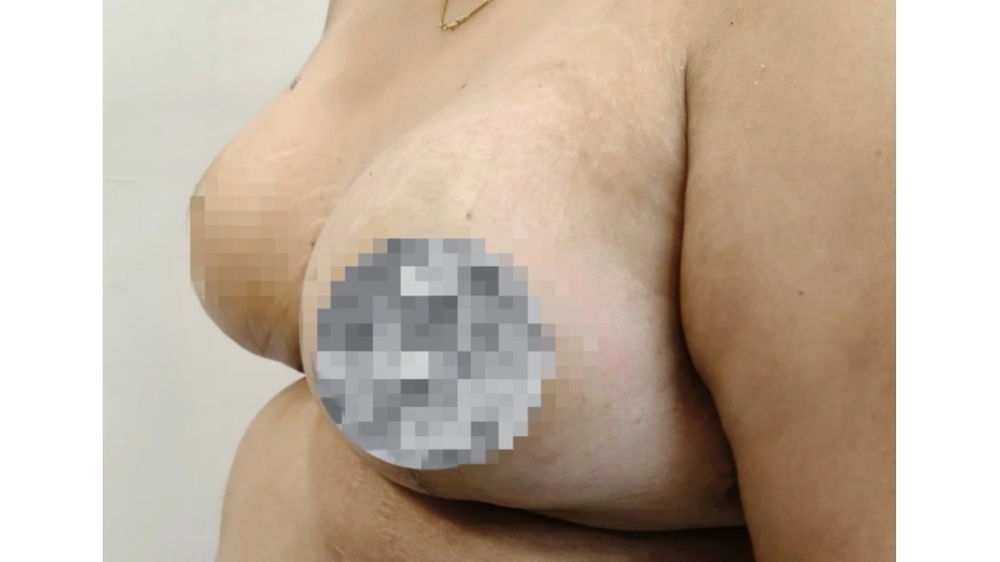
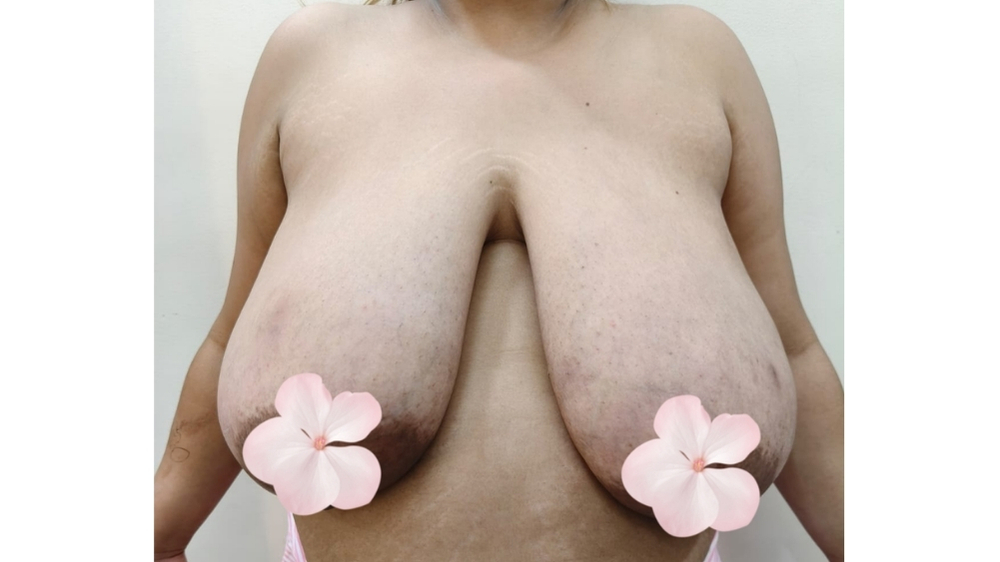
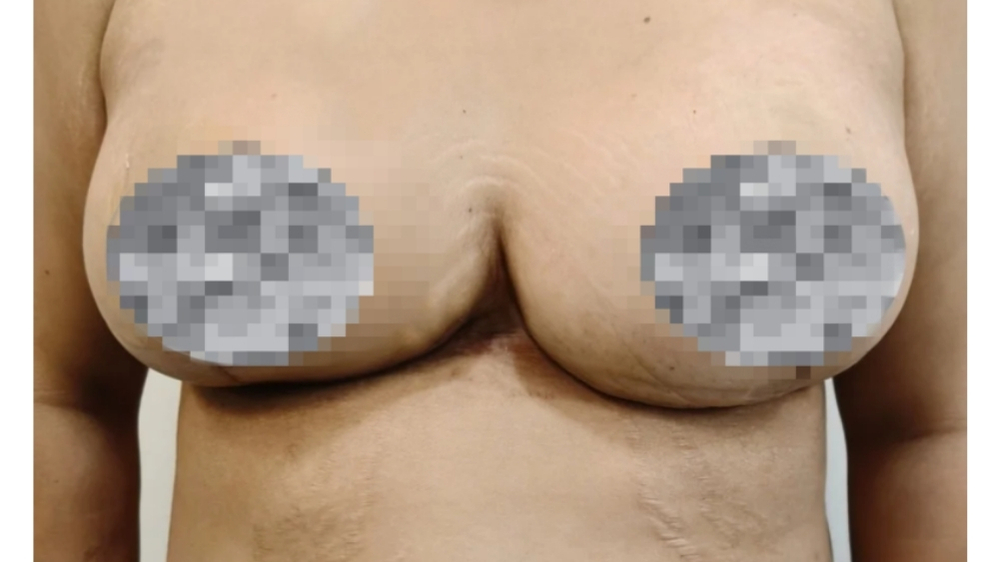
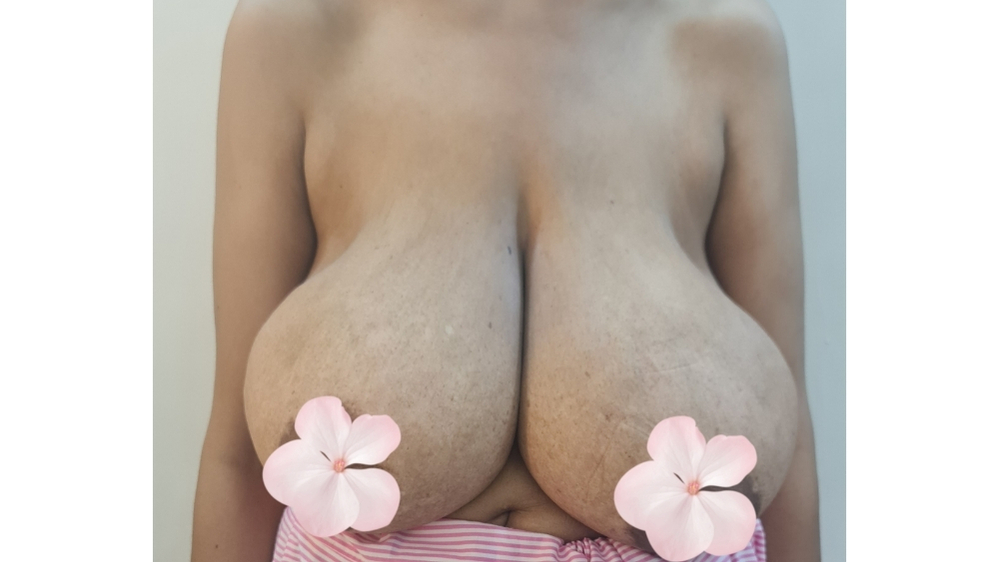
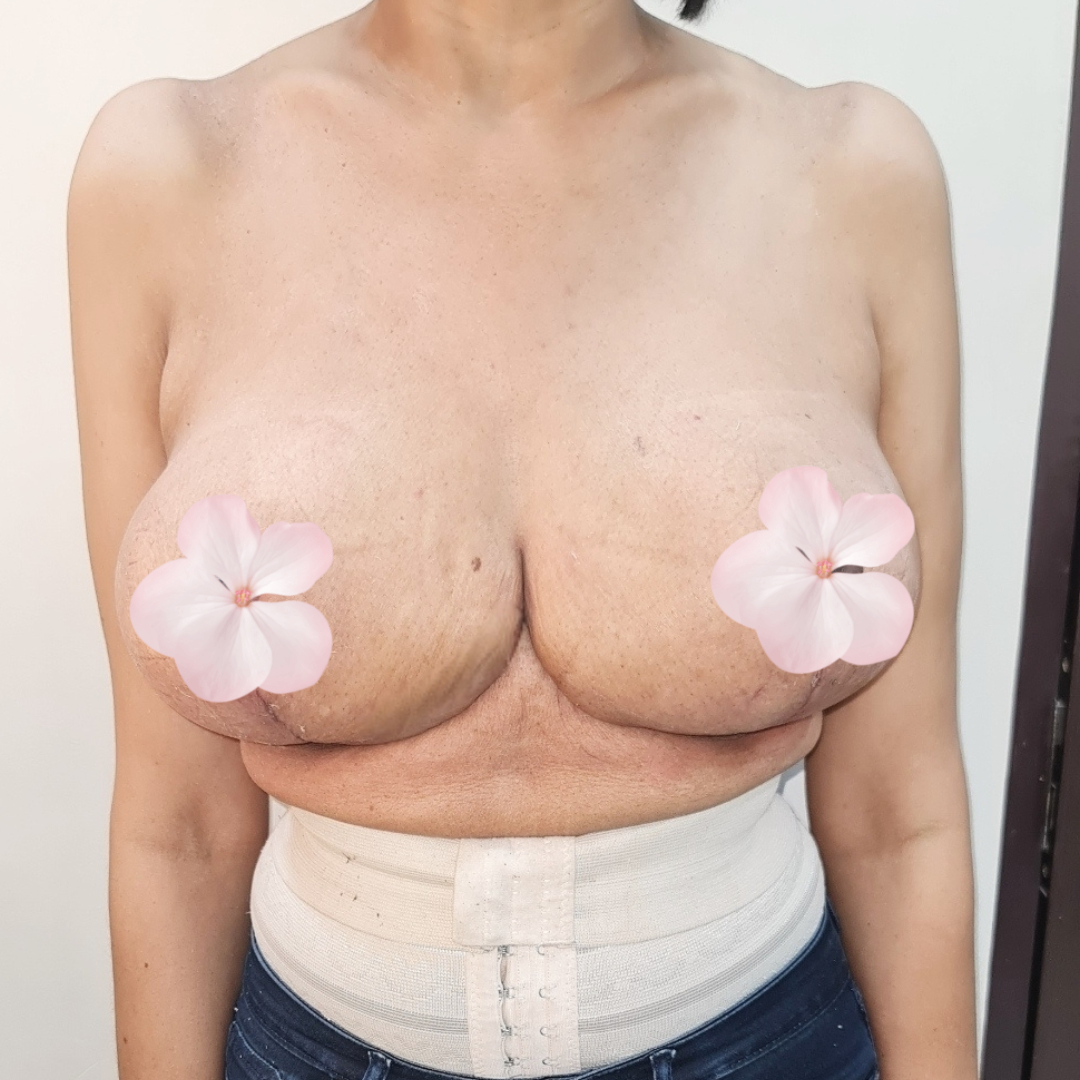
Why patients choose Breast Reduction
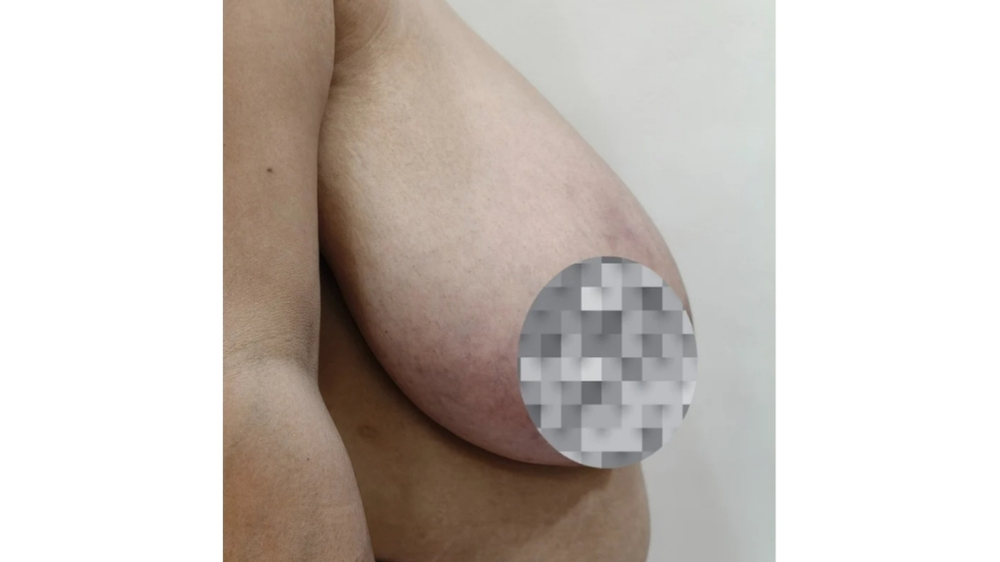
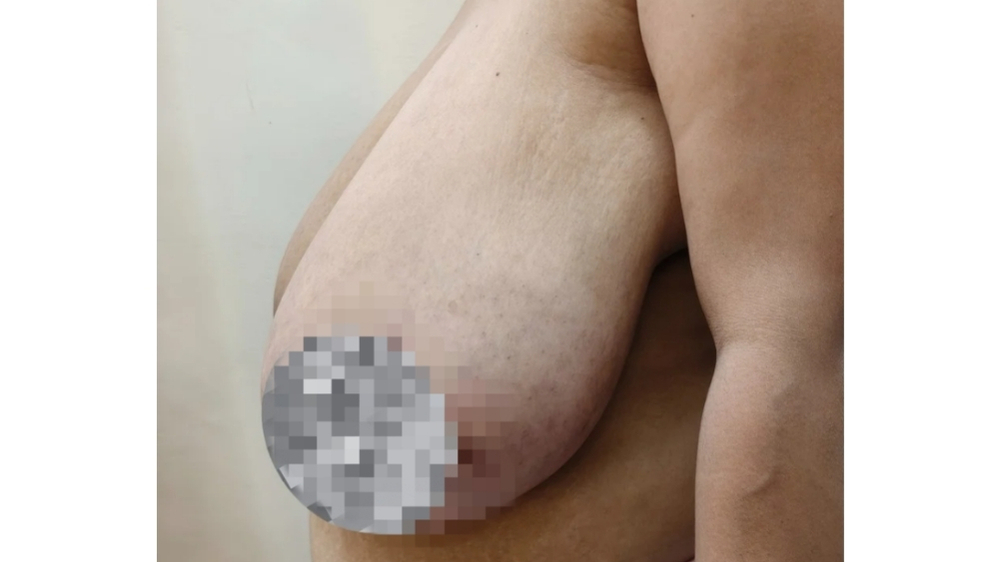
Having disproportionately large or heavy breasts can cause real physical pain — in the neck, back, shoulders and chest — alongside the emotional stress of constantly trying to hide them. Common reasons patients book a consultation:
- Neck and back pain that doesn't settle with physiotherapy or rest
- Restriction of physical activity and exercise because of breast weight
- Discomfort during daily life — bending, lying down, sleeping
- Hygiene issues along the lower breast crease (intertrigo, rashes)
- Painful shoulders with deep grooves from bra strap tightening
- Heaviness or breathing problems, especially at night
- Disproportionate breast size compared to overall body frame
Breast reduction surgery (Reduction Mammaplasty) is performed at Kayakriti to give you relief from these problems and a body you feel confident in.
What we discuss during your consultation
Bring everything to the consultation — we'd rather over-prepare than discover something on the day of surgery. Topics to cover:
- Your surgical goals and why you're considering this procedure
- Any previous surgeries and allergies
- Current medications and herbal supplements
- Tobacco and alcohol use
Who is a suitable candidate?
- Women whose breast size is disproportionately large with symptoms of poor body image or symptoms associated with large breasts
- Physically healthy, with body growth complete
- No major chronic illness or active medical condition
- BMI less than 35
- Preferably a non-smoker
- Well informed about the surgery and its trade-offs
- Motivated and with realistic expectations
What Dr. Amit Agarwal focuses on during your assessment
Physical body size measurements (weight, height) alone don't determine candidature. The assessment is symptom-driven and anatomical:
- Breast size in proportion to your body
- Degree of sagging and position of the nipple–areola complex (some women actually need a breast lift, not a reduction)
- Asymmetry between the two sides and any lumps
- Overall health and surgical risk factors
- Photographs for planning and post-op comparison
- Choice of incision pattern for your specific anatomy
- Whether to combine with mastopexy (lift) for fuller, tighter breasts
- Procedure, outcomes, risks and complications
- Family history of breast cancer
Questions you should ask before surgery
- Am I a good candidate for the procedure?
- How long do I have to stay at the centre?
- What exactly does the procedure involve?
- Will there be scarring post-surgery?
- How long is the recovery period?
- When can I return to work and daily routines?
- What lifestyle changes will get me better results?
Preparing for breast reduction surgery
- Be physically healthy
- Stop smoking at least two weeks before surgery
- Get the tests prescribed by Dr. Amit Agarwal
- Avoid anti-inflammatory drugs and herbal supplements — they aggravate bleeding
- Same-day admission at the centre
- Sign a written consent form after admission
- Provide compression-garment measurements for post-surgical use
- Pre-Anaesthesia Check-up (PAC) with the anaesthetist; we declare you fit and only then schedule the surgery date
- Nil per oral for a minimum of 5–6 hours before the procedure
- Arrange an attendant to accompany you for at least 24 hours after surgery
How the surgery is performed
Dr. Amit Agarwal and you together decide the best technique based on:
- Breast size and shape
- Amount of reduction required
- Skin elasticity and the volume of extra skin to be removed
- Degree of breast sagging
- Size and position of the areolae
- Whether a breast lift will be combined
Step 1 — General anaesthesia is administered by our anaesthetist and intensivist.
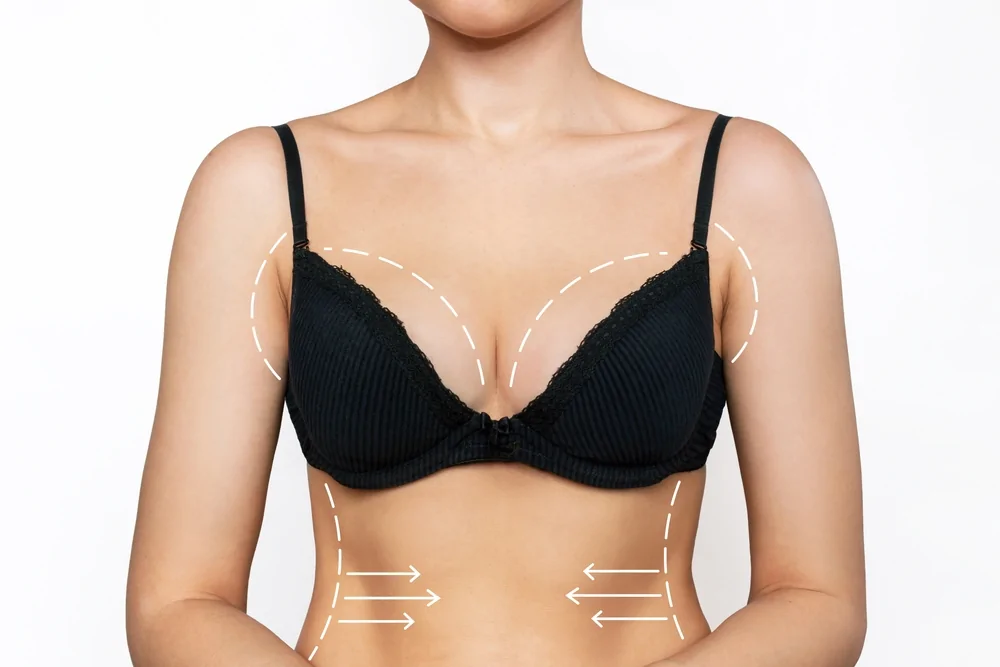
Step 2 — Breast Reduction surgery is performed through one of two standard incision patterns:
- Racquet-shaped (keyhole) — around the areola, then vertically down to the breast crease
- Anchor-shaped (inverted T) — around the areola, vertically down, then horizontally along the breast crease
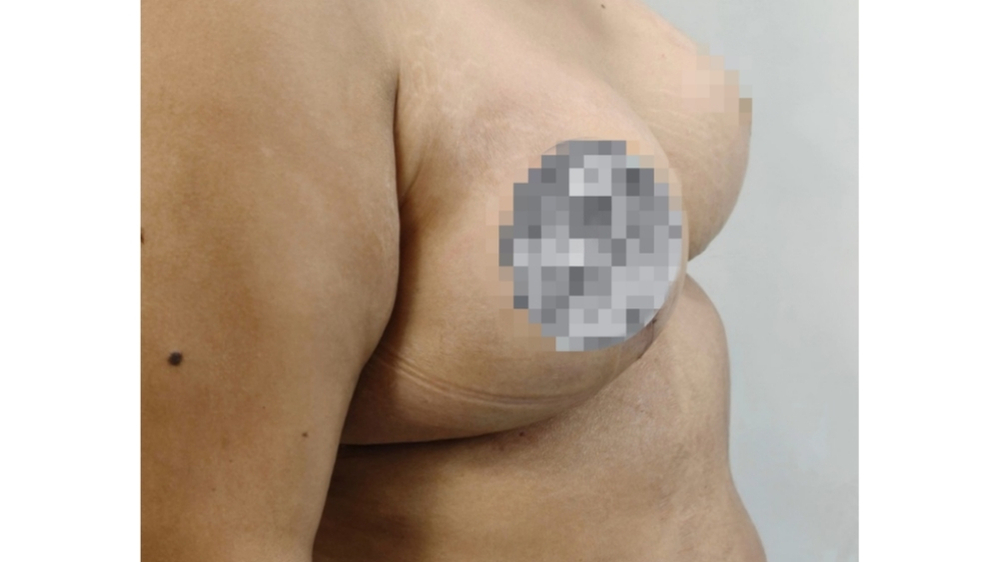
Scars are placed along these incision lines and become faint over time — they're well hidden under a bra or swimsuit.
Step 3 — Excess hypertrophied breast tissue is removed and the nipple–areola complex is repositioned on both sides. The areolar diameter is reduced by trimming the perimeter. Underlying breast tissue is reshaped and the nipple is repositioned to a natural, lifted height. Liposuction of the lateral chest wall is usually combined to give better definition.
Step 4 — Incisions are closed in layers to support the newly shaped breasts. Skin is redraped and tightened, and the incisions are closed with skin adhesives over drains. Drains remove excess blood or fluid; scars fade over time but remain permanent.
Results are visible immediately — the final shape settles as swelling and bruising reduce.
Recovery — what to expect
Dressings are applied to the surgical area and you wear a compression garment to reduce swelling and support the breasts. You'll be discharged the day after surgery once the drains are removed; weekly follow-up visits, or as advised, follow.
- Substantial swelling and bruising of the breast area — usually subsides in 1–2 weeks
- Sutures are within the breast crease and around the nipple–areola complex; they are dissolvable
- Pain in the first days controlled with prescribed pain killers; soreness can last a few weeks
- You'll be walking 6 hours post-surgery or the next day (your choice)
- Exercise can resume 3–4 weeks post-surgery
- Pressure garment must be worn 24/7 for 3 months without gaps
- Return to work in 6–10 days depending on the role
- Normal lifestyle returns at about 2 weeks, with a confident new profile
Final, complete results take 3–6 months to fully evaluate. The surgeon gives specific instructions for surgical-site care, medications and follow-ups.
Risks and complications
Like every surgery, Breast Reduction carries some risks. Factors that influence outcome include poor circulation, history of blood clots, diabetes, heart, lung or liver disease. We discuss every risk openly during consultation:
- Rare problems related to general anaesthesia — modern anaesthesia is very safe; Kayakriti has two competent anaesthetists and world-class workstation/equipment
- Higher BMI raises wound-healing problems
- Seroma (fluid accumulation) below the breast tissue — usually subsides with time
- Rare infection and wound dehiscence — may need prolonged antibiotics or re-suturing
- Bleeding or haematoma under breast skin flaps — observation or surgical drainage
- Poor wound healing in smokers, diabetics, hypothyroid patients, or with multiple conditions — can lead to skin discolouration or rarely nipple-areola necrosis
- Numbness or altered skin / nipple sensation
- Inability to breastfeed
- Faintly visible scars along incisions; rarely hypertrophic if you're prone to it
- Persistent pain that subsides with time and mild-to-moderate medication
- Deep vein thrombosis, pulmonary or cardiac complications (very rare), more likely if multiple procedures are combined in one sitting
- Possibility of revision surgery if results don't meet expectations
Dr. Amit Agarwal does not recommend combining multiple body-area procedures in a single sitting — it turns a very safe procedure into an unsafe one.
Do's and Don'ts
- DO discuss any previous surgery or medical condition openly
- DO wear your pressure garment — it reduces swelling and gives proper shape
- DO consult your doctor immediately if you notice any complication
- DO maintain a healthy lifestyle for the best and most prolonged results
- DON'T proceed with surgery while hiding a major chronic illness — always disclose